AI that runs unattended
I build things on Claude that work without anyone watching them. The ones inside
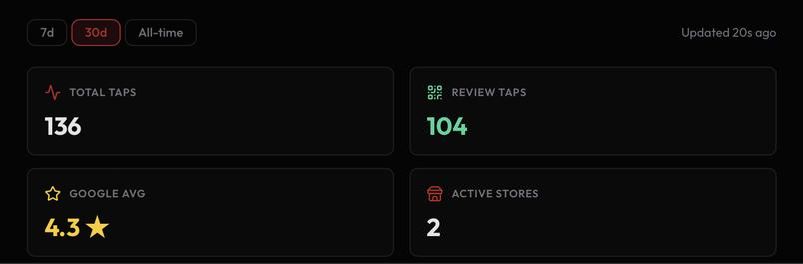
Titanium draft replies to customer reviews in a brand's own voice, check they haven't
reused phrasing from somewhere else on the profile, and boil a week of feedback down
to something an owner can act on. I score every version against a fixed set of test
cases, because otherwise you are guessing whether a change helped.
Software that fits the business
Most places I walk into are paying for four tools that each do about 60% of what
they need, and a person somewhere is filling the gap with a spreadsheet. Sometimes
the answer is one thing built properly. Dashboards, client portals, integrations,
internal reporting: the unglamorous software a company actually runs on.
Parts you can hold
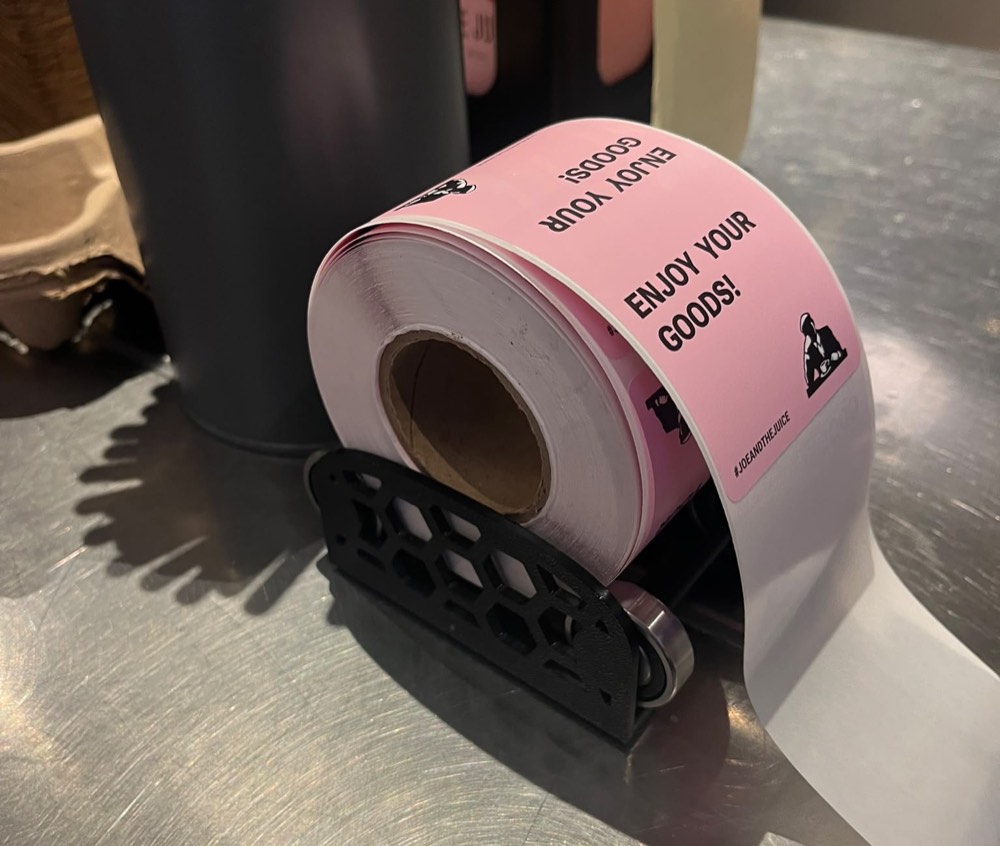
I model in CAD and print. Titanium's stations and table pucks are mine, and so is
the label holder further down this page. When a physical process is slow because the
right object doesn't exist yet, that is usually fixable in an afternoon, and almost
nobody thinks to try.
Buildings off dead vendors
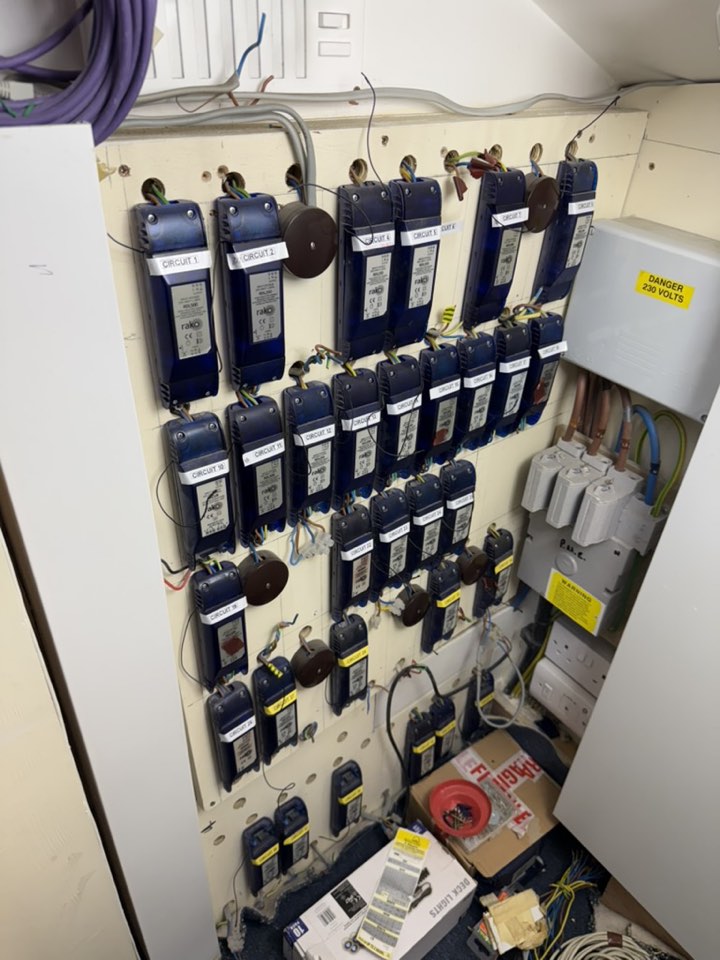
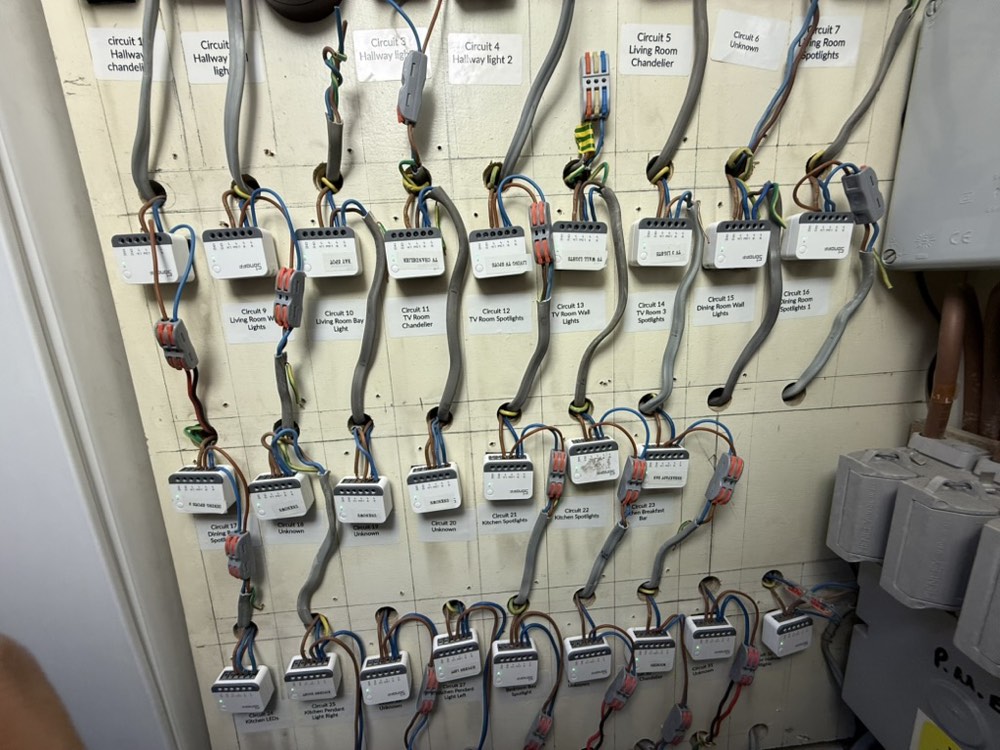
Proprietary building systems fail, and the standard quote is to rip everything out
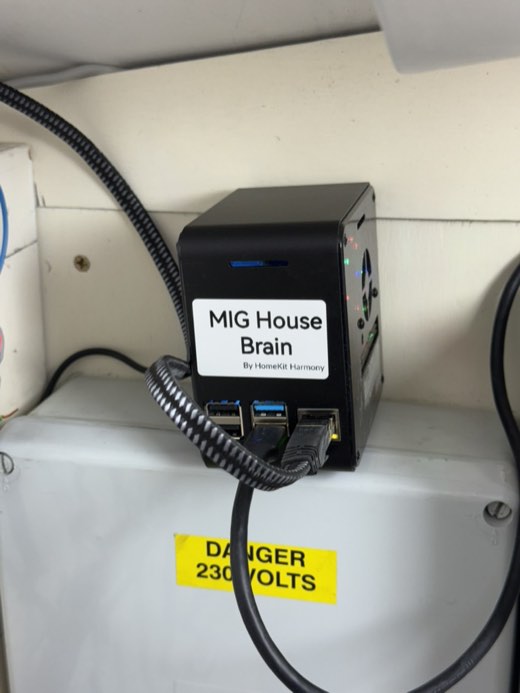
and start over. I do the other version: keep the wiring, swap the brain, move the
property onto something open that no supplier controls. Home Assistant, a Zigbee mesh
built per site, and labelling careful enough that whoever comes after me isn't guessing.
Property, read as an asset
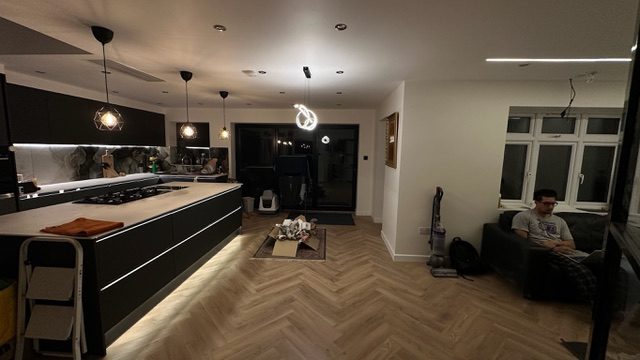
I grew up on site with my father's investments and have been round enough buildings
mid-refurb to see the work rather than the finish. Since then I've sourced and packaged
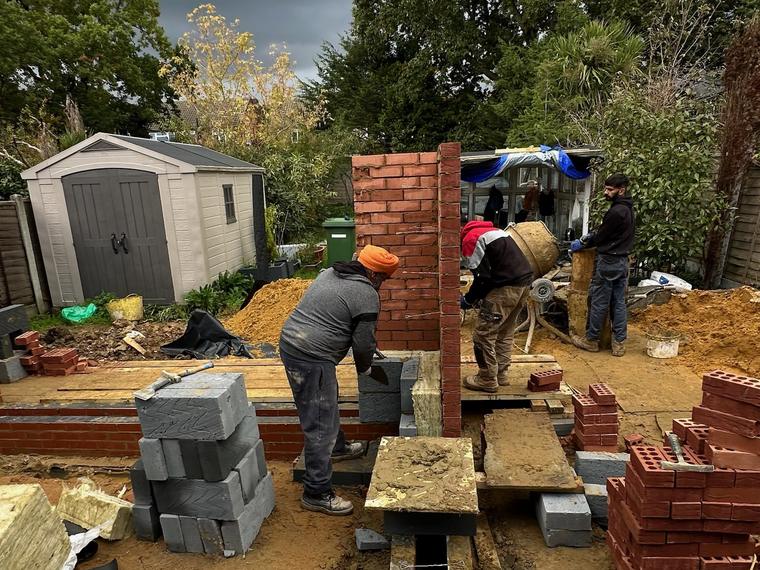
deals that investors went on to buy, and worked refurbs on our own: layout, spec, and
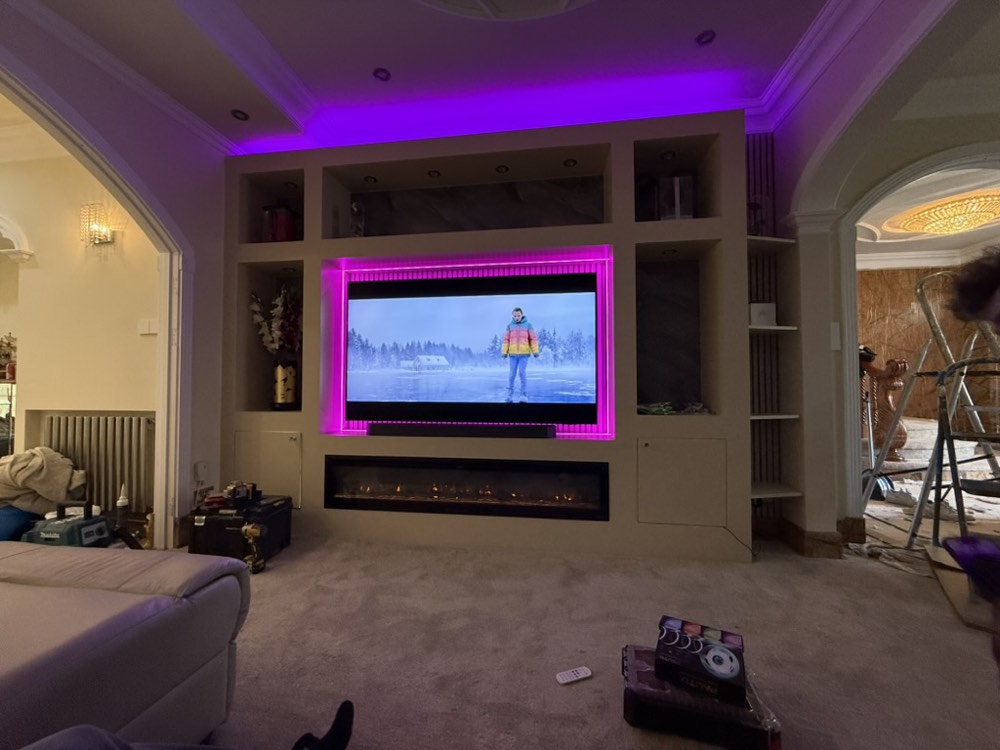
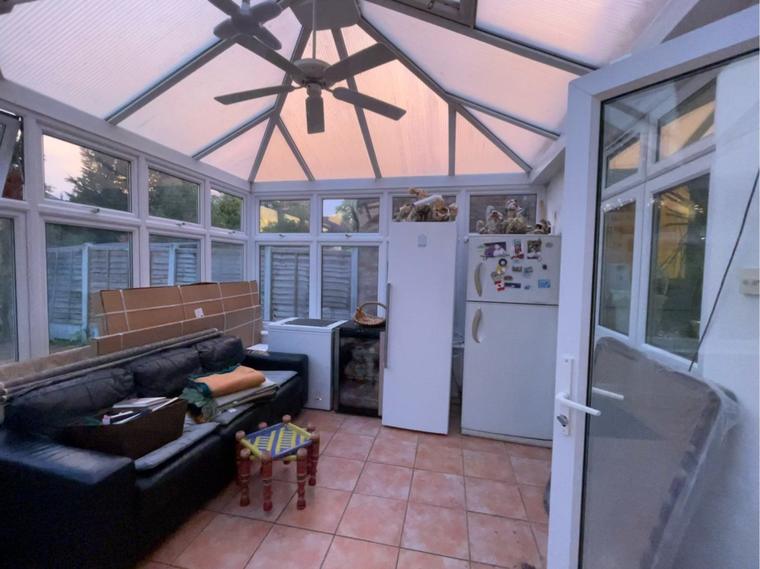
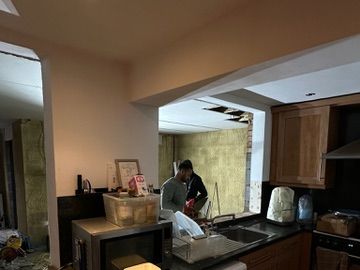
where money shows against where it quietly disappears. The Leyton job below came in as
a lighting fault and turned into a refurb, which is usually how it goes.